The automotive manufacturing industry is on the cusp of a major transformation. Experts predict that the future of automotive manufacturing will be characterized by increased automation, the adoption of sustainable practices, and the integration of advanced technologies. These changes are being driven by a combination of factors, including rising labor costs, increasing environmental concerns, and the rapid pace of technological innovation. The industry is also facing pressure to reduce its carbon footprint and improve its resource efficiency.
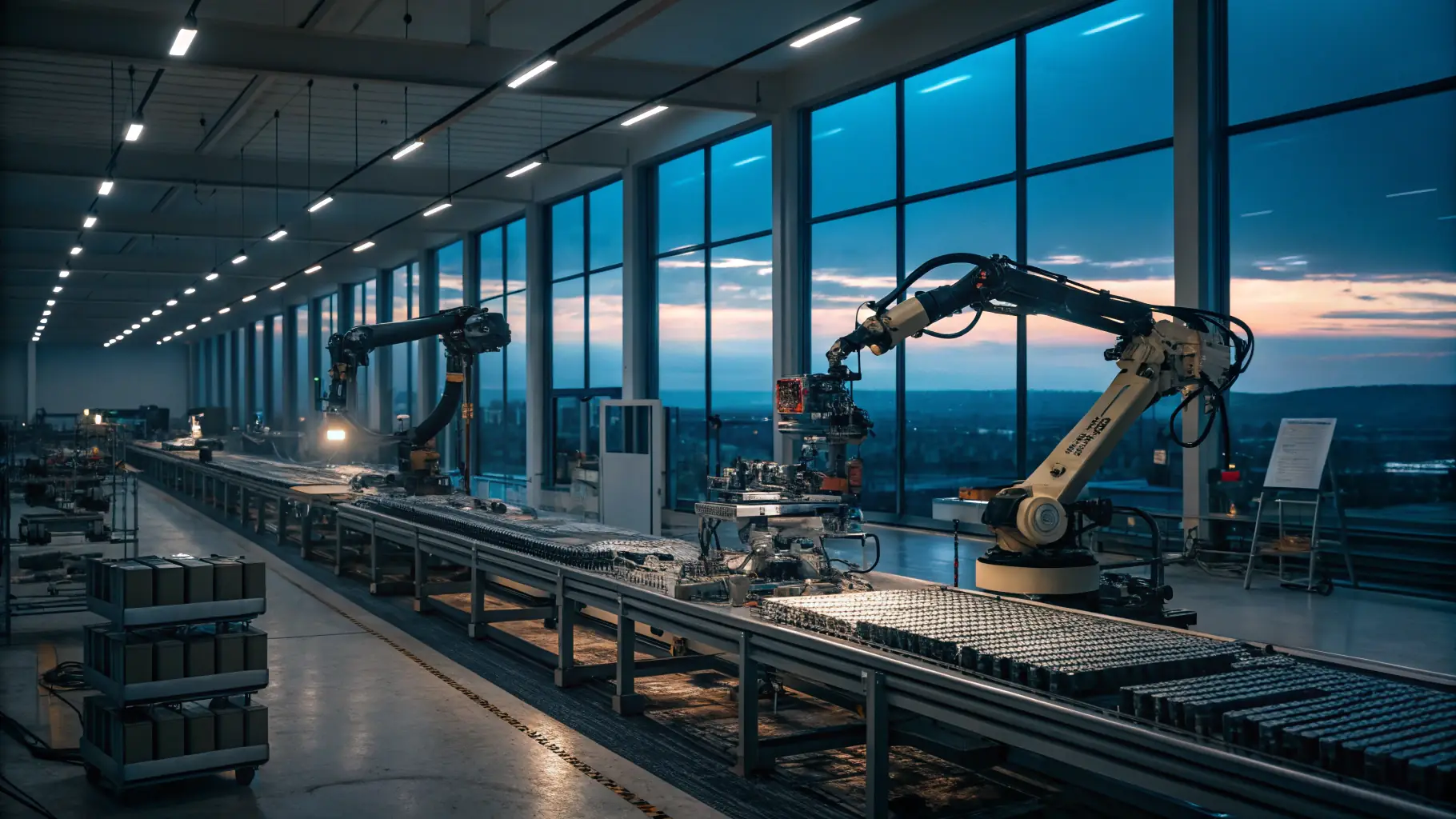
One of the key trends in automotive manufacturing is the increasing use of robotics and automation. Robots are being used to perform a wide range of tasks, from welding and painting to assembly and quality control. This automation is helping manufacturers to improve efficiency, reduce costs, and enhance the quality of their products. Furthermore, the use of advanced sensors and data analytics is enabling manufacturers to optimize their production processes and identify potential problems before they occur.
Another important trend is the growing focus on sustainability. Automotive manufacturers are increasingly adopting sustainable practices, such as using recycled materials, reducing energy consumption, and minimizing waste. They are also investing in the development of more fuel-efficient vehicles and electric vehicles. These efforts are helping to reduce the environmental impact of the automotive industry and create a more sustainable future.