
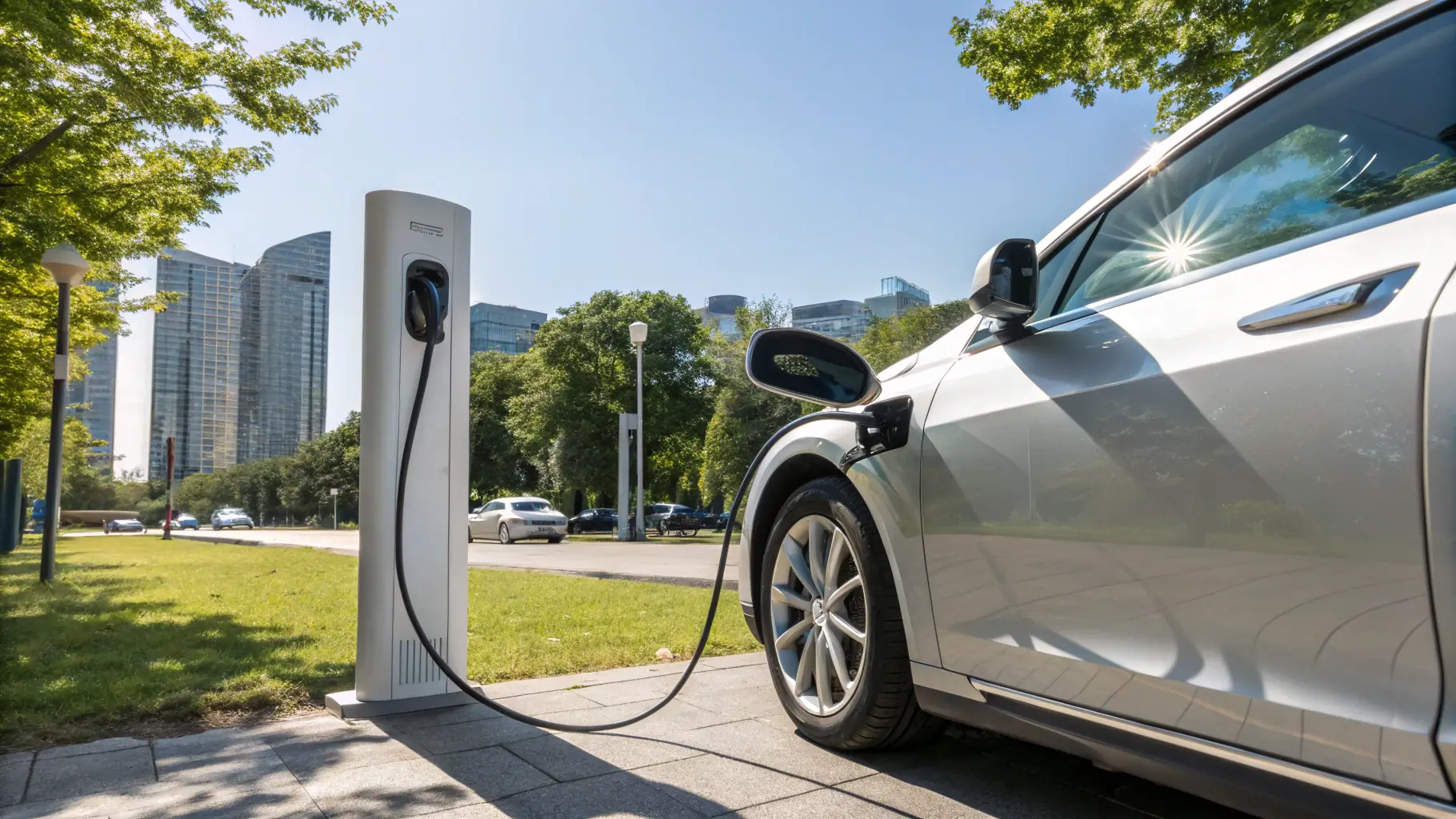
The global automotive landscape is undergoing a significant transformation, with electric vehicles (EVs) at the forefront. Emerging markets, once considered slow adopters of new technologies, are now witnessing a surge in EV adoption. This shift is fueled by a combination of factors, including government policies promoting sustainable transportation and increasing consumer awareness of environmental issues. The availability of more affordable EV models is also playing a crucial role in driving demand.
Several emerging economies are implementing ambitious plans to electrify their transportation sectors. These plans often include subsidies for EV purchases, tax breaks for manufacturers, and investments in charging infrastructure. As a result, EV sales are growing at an impressive rate in these markets. Furthermore, the increasing availability of locally produced EVs is making them more accessible to a wider range of consumers.
However, challenges remain in the widespread adoption of EVs in emerging markets. These challenges include the high upfront cost of EVs compared to traditional gasoline-powered vehicles, the limited availability of charging infrastructure, and concerns about the range and reliability of EVs. Overcoming these challenges will require continued government support, private sector investment, and technological innovation.